
In Georgia, the arrival of summer means more than just rising temperatures; it signals a massive shift in how your commercial building consumes energy. As air conditioning units kick into high gear to combat the Southern humidity, your electrical panel becomes the hardest-working piece of equipment on the property. While these systems are designed to handle significant loads, the combination of extreme ambient heat and sustained high demand can push an older or unmaintained panel to its breaking point.
Increased Thermal Stress on Internal Components
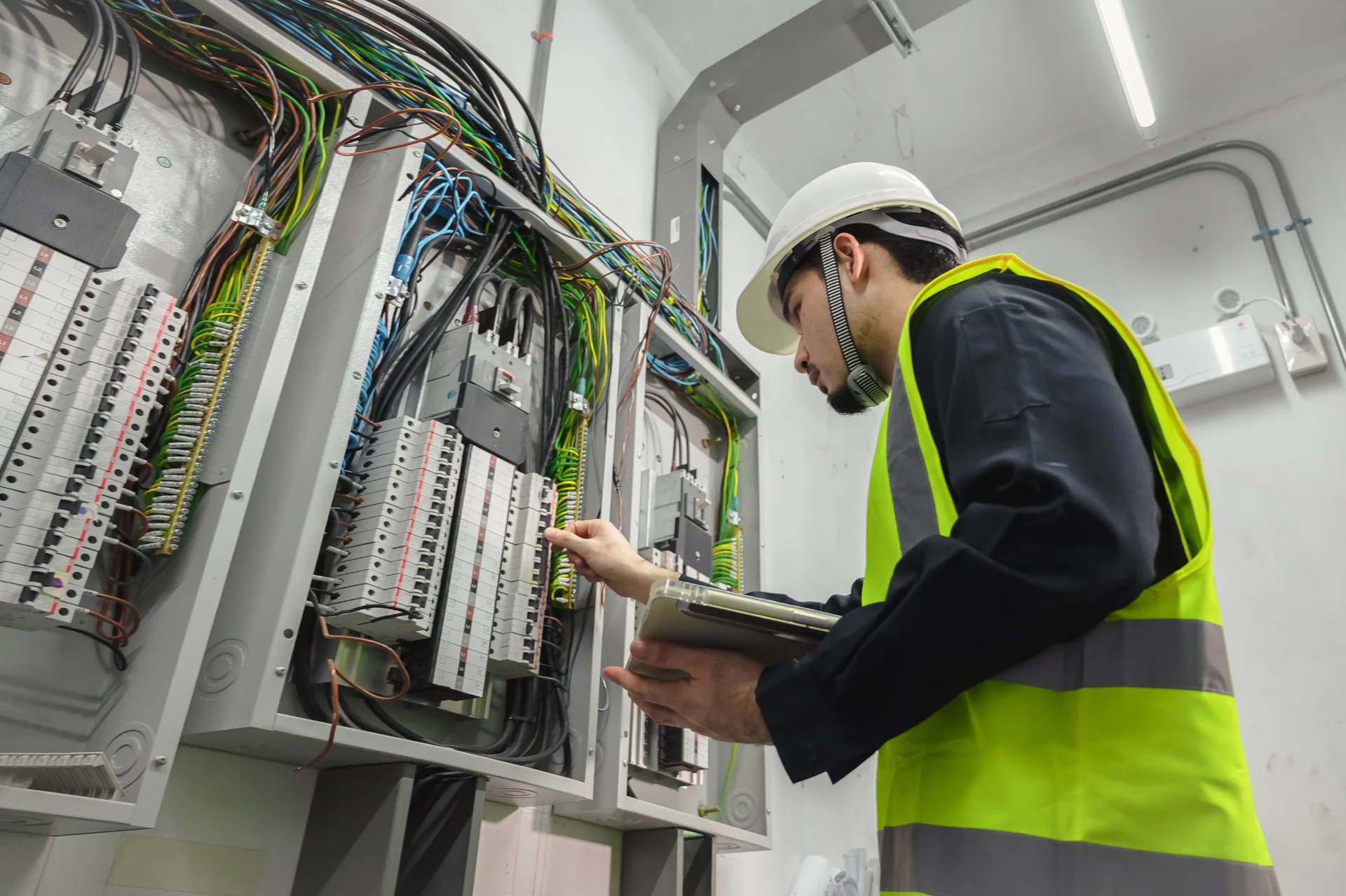
Electrical panels naturally generate heat as current flows through the breakers and wiring. During the summer, this internal heat is compounded by the high ambient temperature of the room where the panel is located. When a panel is already warm from the surrounding air, it has a much harder time dissipating the extra heat generated by heavy power usage.
This thermal stacking can cause the metal components inside your panel to expand and contract more aggressively than usual. Over time, this movement leads to loose connections, which create even more resistance and heat. If the temperature rises too high, the insulation on your wiring can begin to degrade, increasing the risk of a short circuit or a localized electrical fire.
To protect your building from these heat-related failures, consider these maintenance steps:
- Ensure the electrical room has active ventilation or a dedicated cooling source to keep ambient temperatures low.
- Use thermal imaging during peak afternoon hours to identify hot spots that indicate a failing breaker or loose lug.
- Keep the area around the panel clear of storage items to allow for maximum natural airflow and heat dissipation.
- Check that all panel seals are intact to prevent humid air from entering and causing internal corrosion.
The Heavy Pull of Commercial Cooling Systems
Air conditioning is typically the largest single consumer of electricity in a commercial building, often accounting for nearly 40% of the total energy bill. When the mercury hits 90°F, these systems run almost continuously. This creates a constant load on your electrical panel, which is much more taxing than the intermittent loads of office equipment that cycle on and off throughout the day.
If your panel was sized years ago, it might not have been designed for the efficiency levels of modern HVAC upgrades. A system that works perfectly in the spring might start tripping breakers in July because the sustained amperage draw is simply too close to the breaker's maximum rating. This constant strain shortens the lifespan of your switchgear and can lead to unexpected shutdowns during business hours.
Voltage Fluctuations and Nuisance Tripping
When the local power grid is under high demand during a heatwave, the quality of electricity entering your building can fluctuate. These brownouts or voltage drops force your equipment to pull more current to compensate, which can cause breakers to trip even if you haven't added new equipment. This is known as nuisance tripping, and it is a common symptom of a commercial electrical system struggling with summer demand.
Repeated tripping is a safety mechanism that indicates the circuit is operating outside its safe parameters. Every time a breaker trips under a heavy load, a small amount of electrical arcing occurs, which can gradually wear down the breaker's contact points. This makes the breaker less reliable and more prone to failing in the on position, which is a significant fire hazard.
Accelerated Wear on Surge Protection Systems
Summer in the Metro Atlanta area often brings sudden, violent afternoon thunderstorms. While your panel is already working hard to power the AC, it must also stand ready to defend your building against lightning strikes and grid surges. High heat can actually decrease the effectiveness of certain surge protection components, making your sensitive office electronics and server racks more vulnerable.
If your building relies on older surge protection, the combination of high operating temperatures and frequent storm activity can use up the protective capacity of these devices faster than expected. A surge protector that was functional in May might be depleted by August, leaving your facility unprotected during the tail end of the storm season.
Keeping Your Operations Cool Under Pressure
When the Georgia sun is relentless, your electrical system shouldn't be the reason your business grinds to a halt. Taking a proactive approach to thermal stress and load balancing is the most cost-effective way to avoid the sudden nuisance trips that disrupt your workflow. By staying ahead of high-demand issues now, you protect your equipment and ensure your facility remains a comfortable, productive environment for your staff and customers alike.
Precision and technical authority are the hallmarks of the work performed by Lightning Bug Electric. Our team handles the heavy lifting of power services and panel upgrades to ensure your building can withstand the most intense summer surges. From expert troubleshooting of failing breakers to the installation of high-grade surge protection, we provide the grounded excellence required to keep your commercial property running at peak efficiency.
Don't wait for a mid-summer blackout to check the health of your electrical system. Contact Lightning Bug Electric through our online contact form or call us at (404) 471-3847 to schedule a professional load assessment.