

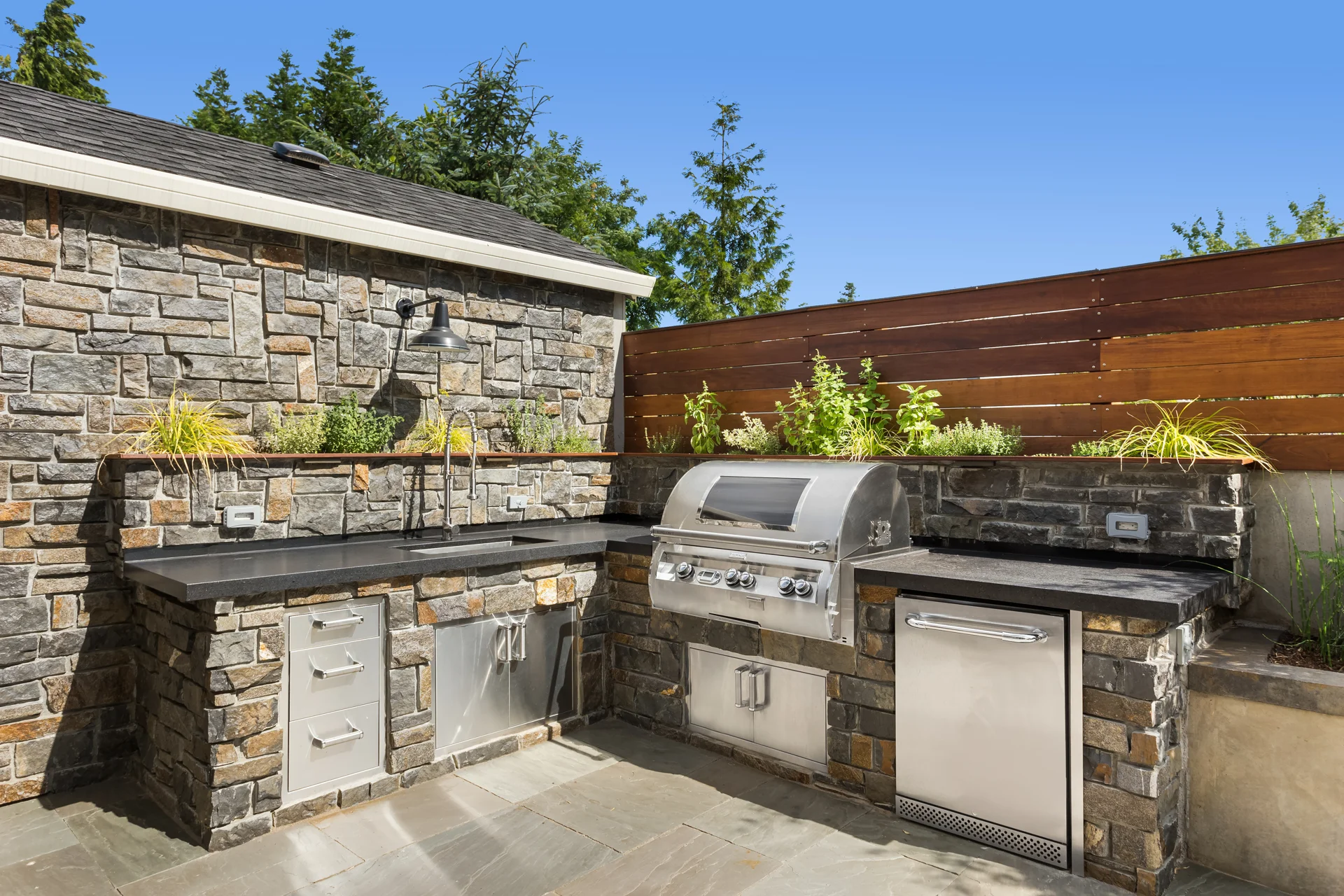
As May brings warmer weather to Georgia, grilling season officially kicks off. There is nothing quite like moving the heart of the home outside to enjoy the spring air while prepping a meal for family and friends. However, a functional outdoor kitchen requires more than just a high-end grill; it needs a robust electrical layout that can handle the elements and the heavy power demands of modern outdoor appliances.
Dedicated Circuits for High-Load Appliances
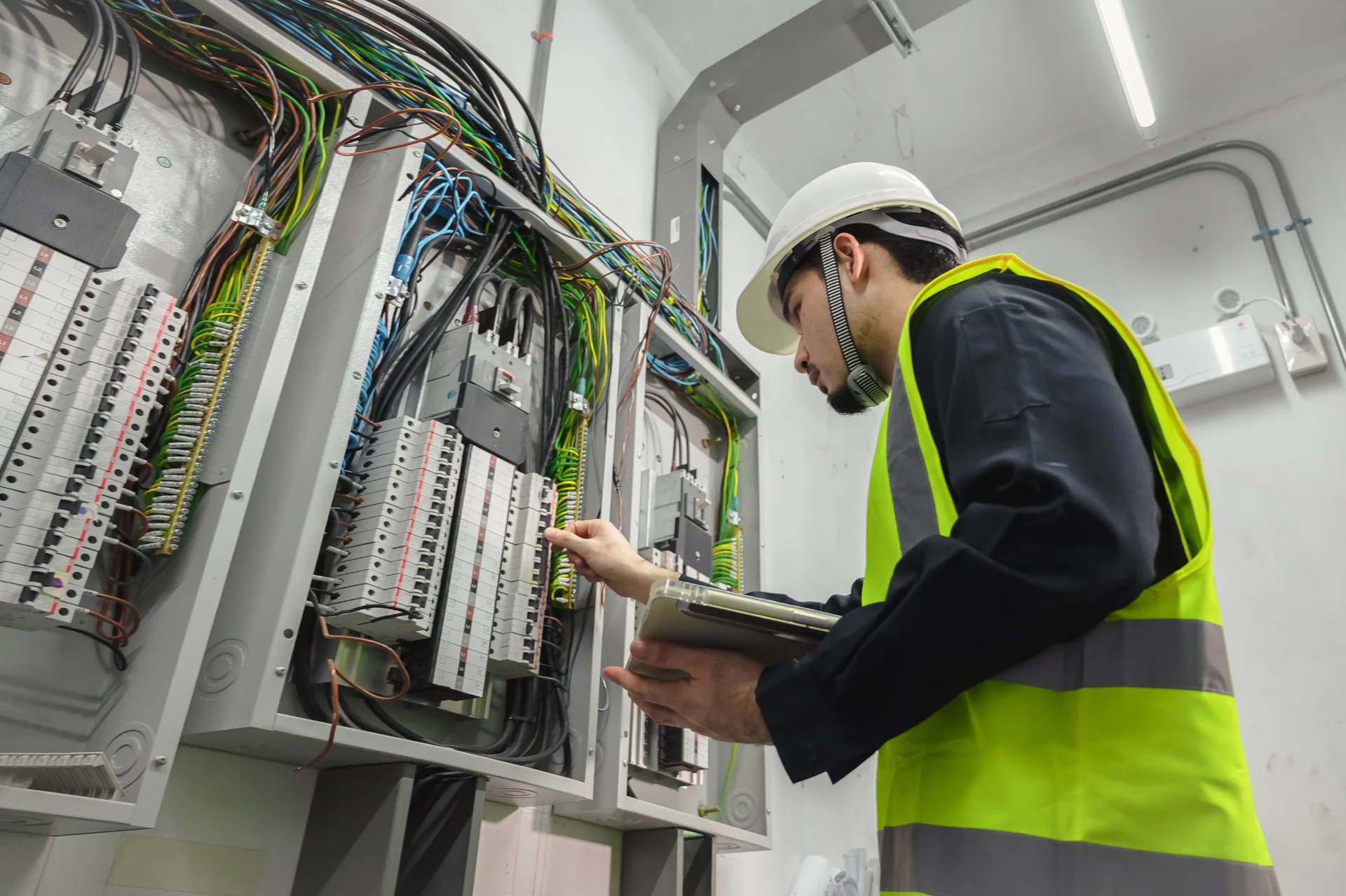
A common mistake in outdoor kitchen design is daisy-chaining multiple appliances onto a single existing circuit. High-draw items like outdoor refrigerators, electric smokers, and rotisserie motors require consistent power to operate efficiently. Overloading a circuit doesn't just trip your breakers; it can lead to overheating within your home's electrical panel.
For a reliable layout, each major appliance should have its own dedicated line. This prevents a surge from your blender or margarita machine from shutting down the refrigerator, keeping your food at a safe temperature.
To ensure your layout handles the load, consider these requirements:
- Install a dedicated 20-amp circuit for any outdoor refrigeration units.
- Group small countertop appliances on a separate circuit to prevent nuisance tripping.
- Use a high-amperage circuit if you plan to install a built-in electric griddle or warming drawer.
- Verify your main electrical panel has the physical space and capacity for these additional breakers.
Mandatory GFCI Protection and Weatherproof Covers
Water and electricity are a dangerous combination, which is why Ground Fault Circuit Interrupter (GFCI) protection is non-negotiable for outdoor kitchens. These devices monitor the flow of electricity and instantly cut power if they detect a leak to the ground. In an outdoor setting, every single outlet must be GFCI-protected, even those tucked away inside cabinets.
Beyond the internal safety of the outlet, you must also consider physical protection from the elements. Standard indoor outlet covers are insufficient; you need extra-duty bubble covers. These allow a cord to stay plugged in while the cover remains shut, keeping the connection bone-dry during a sudden Marietta downpour.
When planning your outlet placement, keep these safety features in mind:
- Place outlets at least 12 inches above the ground or countertop surface to avoid water runoff.
- Use weather-resistant (WR) rated receptacles, which are built with UV-stabilized plastics and corrosion-resistant metals.
- Ensure the GFCI reset buttons are easily accessible and not blocked by heavy appliances.
Proper Conduit and Trenching Depths
One of the most overlooked aspects of a safe outdoor layout is what happens underground. Electrical wires running from your house to the kitchen island must be protected by rigid conduit to prevent accidental damage from gardening tools or shifting soil. Simply burying a "direct burial" cable is often not enough for long-term safety in high-traffic outdoor areas.
Local codes dictate how deep these lines must be buried, often ranging from 6 to 18 inches depending on the type of conduit used. Using PVC or metal conduit protects the integrity of the wires and makes it much easier to pull new wires through if you decide to upgrade your kitchen features in the future.
Ensure your underground layout follows these best practices:
- Dig trenches to the specific depth required by Cobb County building codes for your conduit type.
- Seal all conduit joints with appropriate solvent cement to prevent moisture from seeping in.
- Keep electrical trenches physically separated from gas and water lines to avoid cross-contamination in the event of a leak.
Strategic Placement of Task and Ambient Lighting
An outdoor kitchen requires a multi-layered lighting plan to be both functional and safe. Task lighting should be focused directly over the grill and prep areas so you can see clearly while handling knives or checking if the meat is cooked. Ambient lighting, such as LED strip lights under the counter overhang, helps guests navigate the space without tripping in the dark.
Heat is a major factor here; lights installed near a grill hood must be specifically rated for high temperatures. Standard outdoor LEDs may melt or fail if they are placed too close to the intense heat of a professional-grade sear burner.
To create a safe and inviting light layout, follow these tips:
- Install directional spotlights with shielding to prevent glare while you are cooking.
- Use low-voltage LED systems for walkways and steps to reduce energy consumption and increase safety.
- Ensure all light switches are located in a "dry zone" or protected by weatherproof enclosures.
Bonding and Grounding for Metal Structures
Many modern outdoor kitchens use stainless steel frames or metal cabinets. Because metal conducts electricity, it is vital that the entire structure is properly bonded. Bonding joins all the metal parts together to create a low-resistance path back to the electrical panel. If a wire were to come loose and touch a metal cabinet, a properly bonded system would trip the breaker immediately rather than "electrifying" the kitchen island.
This is a technical safety requirement that many DIY enthusiasts miss. It provides an essential layer of protection for anyone leaning against the counter or opening a refrigerator door while standing on a damp patio.
Consider these bonding steps for your metal kitchen:
- Connect all metal framing components with copper bonding jumpers.
- Ensure the bonding wire is connected to the main grounding electrode system of your home.
- Have a professional verify the "path to ground" with a continuity tester before the finishing stonework is applied.
The Importance of a Professional Electrical Layout
A well-planned outdoor kitchen is a seamless blend of luxury and safety. By focusing on the "invisible" parts of the project—the dedicated circuits, the proper burial depths, and the bonding of metal frames—you ensure that your outdoor cooking experience is reliable for years to come. Skipping these technical steps can lead to costly repairs or, worse, safety hazards for your family and guests.
If you are planning an upgrade to your backyard, having an expert review your plans can save you from major headaches down the road. Lightning Bug Electric specializes in the technical details of troubleshooting, wiring and rewiring, and the installation of complex outdoor lighting systems. We focus on providing precision in every project, ensuring your new setup includes the necessary outlets and switches and robust surge protection to keep your high-end outdoor appliances safe during Georgia's storm season.
Ready to power up your backyard retreat with a code-compliant electrical plan? Contact Lightning Bug Electric through our online contact form or call us at (404) 471-3847 to get started.