

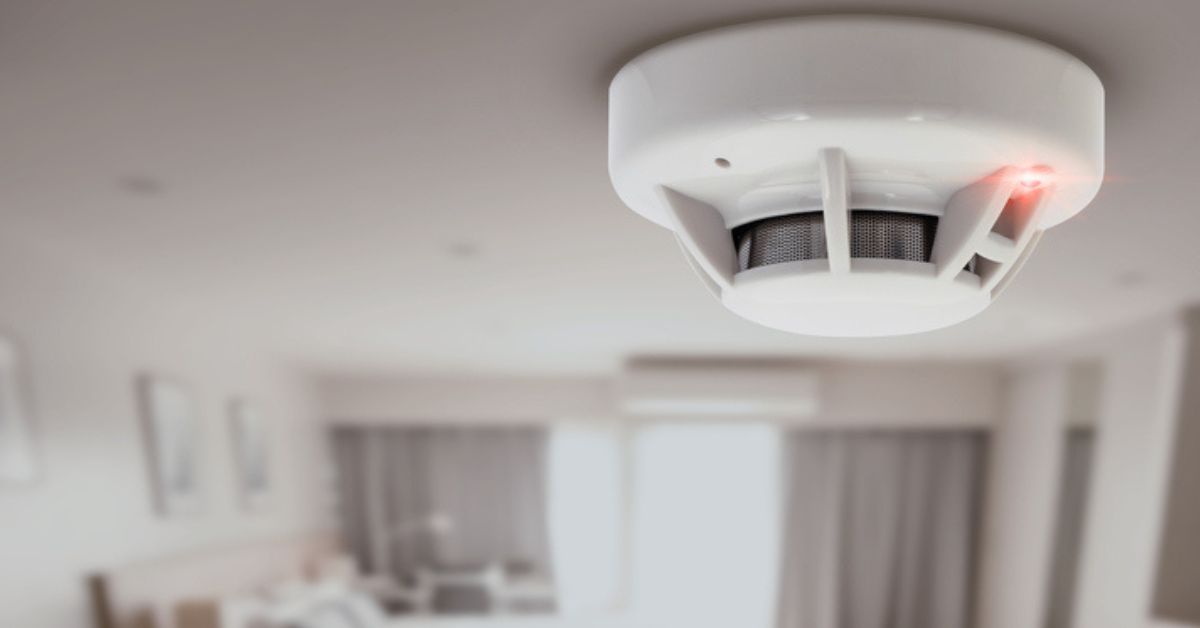
Your fire alarm is one of the most important safety devices in your home or business. Messy, frayed, or outdated wiring and malfunctioning alarms can put your property and loved ones at risk. Lightning Bug Electric in Marietta, GA can help ensure your system is reliable, up to code, and ready to protect you when it matters most.
1. Why Regular Fire Alarm Checks Matter
Fire alarms are your first line of defense in a fire emergency. Regular maintenance ensures they work when you need them, helping prevent injuries, property damage, and even fatalities. Beyond safety, staying up to date with local and national codes avoids fines and keeps your insurance coverage valid.
A well-maintained system also boosts peace of mind. Knowing that your alarms are operational lets you focus on daily life instead of worrying whether a malfunction could leave you unprotected.
2. Signs Your Fire Alarm Needs Attention
Watch for these warning signs:
- Chirping or low-battery warnings
- Frequent false alarms
- Failure to sound during tests
- Visible frayed wires or outdated components
Ignoring these issues can lead to serious hazards. Many common problems, like false alarms, can be fixed easily, but persistent issues usually require professional attention.
3. How to Test Your Fire Alarm
Monthly testing is simple but critical:
- Notify everyone in the home or building before testing.
- Press the test button—alarms should sound loudly.
- Check batteries and replace if needed.
- Confirm interconnected alarms trigger simultaneously.
Testing isn’t just about functionality; it also serves as a fire drill, reminding everyone where alarms are and how to respond in an emergency.
4. When to Call a Professional
A licensed electrician or fire safety technician should inspect your system if:
- Alarms continue to malfunction after basic troubleshooting
- Devices show erratic behavior or fail tests
- Wiring or sensors are damaged
- You want to upgrade to a smart or interconnected system
Routine professional maintenance ensures full compliance, proper placement, and optimal performance. Professionals can also help design systems for larger homes or businesses, making sure every area is adequately covered.
5. Choosing the Right System
Selecting the right fire alarm system depends on your space and needs:
- Battery-operated alarms: Simple, independent, and easy to replace.
- Hardwired alarms: Reliable, long-lasting, and ideal for multi-story homes.
- Interconnected systems: Trigger all alarms simultaneously, providing maximum coverage.
- Smart fire alarms: Offer real-time alerts to your phone, carbon monoxide detection, and remote monitoring.
Smart systems are particularly useful for busy homeowners or frequent travelers. They allow you to respond immediately, even if you’re away from home, adding an extra layer of protection.
6. Placement and Installation Tips
Proper placement is critical for effectiveness:
- Install alarms on every level, inside bedrooms, and outside sleeping areas.
- Mount high on walls or ceilings, away from drafts near windows, doors, or ducts.
- Avoid placing alarms in kitchens or bathrooms where steam may trigger false alarms.
Professional installation ensures optimal coverage, code compliance, and reliable operation. Technicians can also help integrate alarms with other safety systems, like security or smart home networks.
7. Fire Alarm Maintenance Checklist
- Test alarms monthly
- Replace batteries as needed
- Clean sensors to remove dust and debris
- Replace units every 7–10 years
- Schedule annual professional inspections
Regular maintenance prevents malfunctions and extends the life of your fire alarms, saving money and keeping your property safe.
8. Complementary Safety Measures
- Conduct fire drills at least twice a year
- Develop a clear emergency plan with escape routes and meeting points
- Equip your property with strategically placed fire extinguishers
- Keep pathways clear and exits unobstructed
- Consider fire blankets or other safety tools for added protection
Combining alarms with these safety measures ensures a comprehensive approach that protects both people and property.
9. Educate Everyone
Education is key to fire safety. Make sure all household members or employees know how to:
- Respond to alarms
- Use fire extinguishers
- Identify fire hazards
- Report alarm issues immediately
Regular discussions and drills reinforce a culture of safety, helping everyone respond calmly and effectively in an emergency.
Keep Your Home Safe with Lightning Bug Electric
Maintaining fire alarms is essential for safety, compliance, and peace of mind. Lightning Bug Electric provides expert inspections, maintenance, upgrades, and rewiring to keep your system fully functional. Don’t wait until a small problem becomes a dangerous emergency—schedule a service today to ensure your fire alarms are ready when you need them most.
Lightning Bug Electric is available by phone at (404) 471-3847 or you can always contact us online.