Identifying Common Causes of Tripping
Circuit breakers are essential to maintaining the safety and functionality of your home’s electrical system. One common cause of tripping is overloaded circuits. This occurs when there are too many devices drawing power from the same circuit simultaneously. Each circuit is designed to handle a specific electrical load, and when this limit is exceeded, the breaker trips to prevent overheating, which can lead to fires. To troubleshoot, start by unplugging all devices on the affected circuit and resetting the breaker. If the trip occurs again after the gradual reintroduction of plugged-in devices, it’s likely an overload issue.
Another common cause is a short circuit, which is more severe than an overload. A short circuit happens when the electrical current takes an unintended path, often due to exposed wiring or faulty appliances, causing an abrupt spike in current. Unlike overloads that primarily concern improper usage, short circuits often stem from electrical malfunctions and can potentially result in electrical fires. Early detection is crucial; keep an eye out for sparks or the smell of burning plastic when appliances are in use. Addressing these problems promptly can prevent damage to your electrical system.
Signs of a Tripping Circuit Breaker
If your circuit breaker trips frequently within a short period, it might indicate deeper issues related to either faulty appliances, wiring deficiencies, or the breaker itself. Continuous tripping could suggest a particular appliance is drawing too much power, or there's a problem within the circuitry that requires immediate attention. By examining the tripping pattern, you can often trace these issues back to their source, ensuring that individual faulty elements are identified and managed before they escalate.
Flickering lights and loss of power in certain areas of your home are additional indicators of a tripping breaker. Such issues might sometimes be accompanied by noises such as buzzing or sizzling, pointing towards a potentially hazardous situation. Hot breaker switches provide another clue; if the switch emanates heat when untouched by activity, it may signal an underlying issue that necessitates urgent inspection and potential intervention.
Steps to Troubleshoot a Tripping Breaker
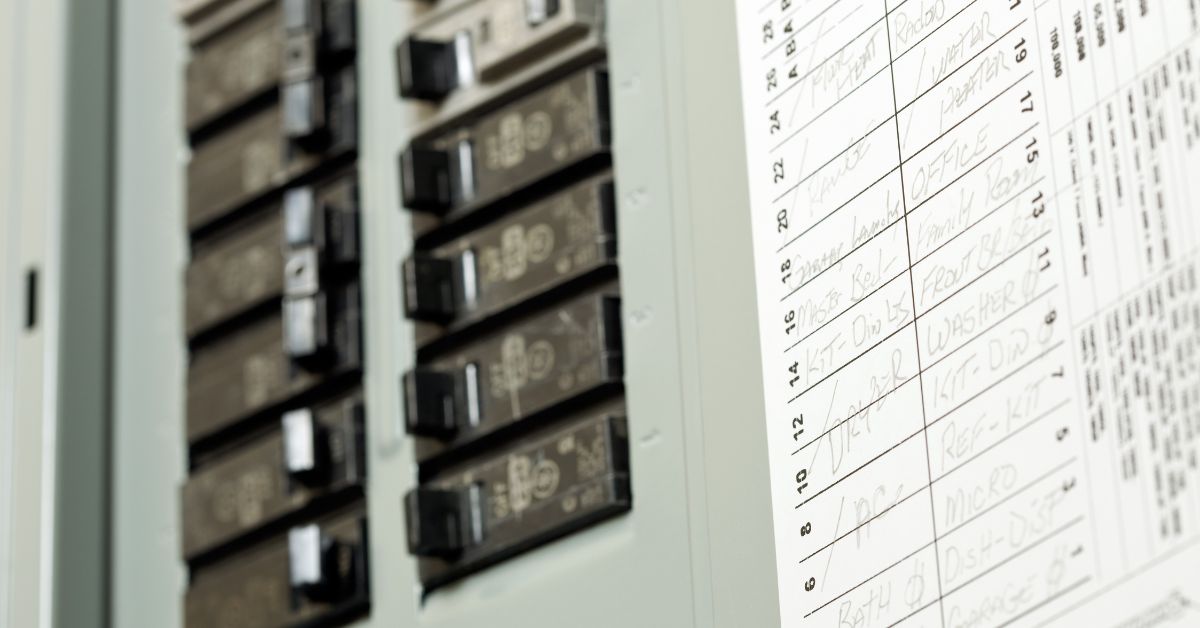
To begin diagnosing a tripping breaker, conduct a visual inspection of your circuit breaker panel. Look for any signs of damage such as discoloration, burns, or loose connections. It’s important to note that electrical panels should be approached with caution, as they're potent sources of electricity. If you detect any abnormalities, it’s best to turn to a professional to handle the issue safely and effectively.
For more in-depth diagnosis, testing the breaker with a multimeter is recommended. This versatile tool allows you to measure voltage, current, and resistance, confirming whether the breaker is functioning correctly. Start by switching off all connected devices, then use the multimeter to check if there’s a good connection through the circuit. Additionally, isolating the problem circuits by turning off all breakers and systematically turning them back on can pinpoint the source of the trip. This targeted approach allows you to focus on specific areas needing attention.
Understanding the Electrical Load
A clear understanding of your home's electrical load is pivotal in managing circuit breaker issues. Begin by calculating circuit loads to ensure each appliance aligns with its designated circuit capacity. Appliances like ovens, refrigerators, and air conditioners typically consume significant power, mandating individual circuits. Recognizing patterns in power surges also aids in diagnosing issues; maintaining a record of energy use can highlight problematic times or devices that consistently cause trips.
Knowing your home’s electrical system extensively will also aid troubleshooting efforts. An updated electrical map of the house ensures you're aware of each circuit’s location and capacity. Being familiar with this layout helps when determining which appliances are appropriate for each circuit and aids in anticipating potential electrical requirements in future upgrades or expansions.
Temporary Fixes and Workarounds
While waiting for a permanent solution, certain temporary fixes can alleviate immediate issues. First, ensure you are resetting a tripped breaker correctly by firmly switching it completely to the "off" position before flicking it back on. However, this should be done cautiously to avoid further repercussions. If the breaker continually trips post-reset, refrain from forcing it on.
Redistributing the load across circuits is another strategic workaround. By temporarily unplugging non-critical devices or moving them to outlets with different circuits, you can achieve more balanced power consumption. Alternatively, using surge protectors might provide temporary relief; besides offering an additional layer against voltage spikes, they help extend appliance life by stalling power surges from affecting your devices immediately.
Permanent Solutions to Prevent Tripping
For long-term results, consider more substantial solutions such as upgrading to higher-capacity breakers if permissible by local codes. This upgrade is especially beneficial as household demands grow with the addition of new technology and appliances. However, consulting a professional is key to ensuring that new installations meet safety standards and regulations.
Adding new circuits could be another pathway to handling increased electrical demand effectively. By segmenting new circuits to accommodate high-consumption devices, you not only reduce strain on existing systems but also enhance overall safety. Additionally, replacing outdated or faulty wiring is crucial. Modern wiring standards provide better insulation and are more fire-resistant, minimizing tripping risks and improving home safety.
Understanding the Limits of DIY Solutions
While DIY solutions can be effective for minor issues, recognizing their limitations is crucial for safety. Some electrical problems are too complex to tackle without professional intervention, such as persistent power outages or repeated breaker trips that lack a clear cause. These often have roots in deeper electrical issues that pose significant risks if improperly addressed.
Safety and regulatory compliance must also be top priorities. Unlicensed electrical repairs can violate local codes, resulting in fines or putting homeowners at risk of electrical fires. Complying with such regulations not only ensures safety but also protects the homeowner during insurance claims in cases of electrical mishaps.
Hiring an Electrician
When DIY efforts fall short, hiring an electrician becomes necessary. Factors such as licensing, reputation, and customer reviews are key indicators of a qualified professional. Additionally, ensure the electrician possesses experience in handling residential electrical problems similar to yours; this familiarity enables them to address issues efficiently and effectively.
It's also important to consider cost implications when hiring professional help. Experienced electricians can usually provide estimates for the necessary work, so you can budget accordingly. Investing in professional repairs ensures quality results and long-term safety, preventing the recurrence of irritating and potentially dangerous electrical problems.
Regular Maintenance and Inspections
Regular maintenance of your electrical system is essential in avoiding future circuit breaker trips. Scheduling periodic electrical system reviews with a professional offers many benefits, such as uncovering undiscovered problems before they exacerbate. Professionals understand what to look for, ensuring the entire system is optimal and secure.
Homeowners should also conduct DIY visual inspections periodically, safely checking for signs of wear and tear on electrical equipment and systems. Monitoring for discoloration, unusual smells, or exposed wiring ensures that early warnings are addressed timely. Keeping an eye out for these warning signs promotes quick action, maintaining the integrity and functionality of your home’s electrical system.
Optimizing the Household’s Power Usage
Another preventive strategy is optimizing power usage at home through energy-efficient appliances. Swapping outdated devices with modern, energy-saving alternatives can significantly reduce the demand on your electrical systems, prolonging the life of breakers and circuits.
Leverage the benefits of smart home technology, which intelligently monitors and optimizes electrical usage, providing insights on usage patterns and allowing you to control consumption remotely. Moreover, adopting load shedding practices helps manage electricity strategically, especially during peak demand times. Timed device usage and off-peak operation can also effectively curb electrical strain.
Stop Tripped Circuits ASAP with Lightning Bug Electric
Managing circuit breaker issues goes beyond immediate troubleshooting. By implementing both temporary and long-term strategies, along with professional interventions when necessary, you ensure ongoing safety and efficiency in your home.
If you find yourself needing professional circuit breaker support, reach out to Lightning Bug Electric for expert assistance. Our team is ready to provide comprehensive electrical panel solutions tailored to your household's needs. Contact us today to learn more and discuss how we can help enhance your electrical system's performance and safety!
Call Lightning Bug Electric now at (404) 471-3847 or send us a message online.